


 English
 Spanish
 French
 German
 Italian
 Chinese (Simplified)
 Japanese
 Korean
 Arabic
 Portuguese

 Send Inquiry
Power Electrical Substation
Price 1000000 INR/ Unit
MOQ : 1 Unit
Power Electrical Substation Specification
- Standard
- IS 2026 / IEC 60076 / Custom as per client
- Low Voltage
- 415 V / 690 V (as per customer demand)
- Load Loss
- As per IEC standard, minimized design
- Capacity
- Upto 2500 kVA or higher as per requirement
- Cooling Type
- Oil Cooled / Air Cooled
- Voltage Booster Type
- Step-Up/Step-Down as required
- Operating Temperature
- -20C to +55C
- Dimension (L*W*H)
- Customized based on project specification
- High Voltage
- Up to 132 kV
- Coil Material
- Electrolytic Copper / Aluminium
- Rated Voltage
- 11kV/33kV or as specified
- Product Type
- Electrical Substation
- Material
- Copper
- Output
- As per customer requirement
- Frequency (MHz)
- 50 Hertz (HZ)
- Efficiency
- 99.9%
- Phase
- Three Phase
- Usage
- Power Distribution, Electrical Transmission, Industrial and Utility Applications
- Coil Structure
- Toroidal and Layer Wound
- Coil Number
- According to transformer design, normally 2 or 3 coils
- Power Scope
- Customized (depends on site/project requirements)
- Weight
- Several tons depending on substation capacity
- Earthing System
- Single / Double Earthing points
- Accessories
- Lightning Arrester, CT, PT, Breakers included
- Arcing Horns
- Provided for high voltage safety
- Installation Type
- Outdoor / Indoor
- Connection Type
- Busbar / Cable Entry
- Relay Type
- Numerical / Electro-mechanical Relays
- Enclosure Finish
- Powder Coated Anti-Corrosive Finish
- Control Panel
- Integrated with remote and manual operation
- Insulation Level
- Class A/B/F/H as per application
- Monitoring System
- SCADA / Digital Monitoring Support
- Protection Level
- IP-23 / IP-55 (as requested)
- Cooling System
- ONAN / ONAF / AN suitable for site
Power Electrical Substation Trade Information
- Minimum Order Quantity
- 1 Unit
- Supply Ability
- 100 Units Per Month
- Delivery Time
- 2-3 Months
About Power Electrical Substation
A transformer is a device that transfers electrical energy from one circuit to another through inductively coupled. Except for air-core transformers, the conductors are commonly wound around a single iron-rich core, or around separate but magnetically-coupled cores.
Features of Power Electrical Substation:
- We provides complete design and layout of the electrical substation / switchyard.
- Better electrical substation with good civil works and installation.
- Selection, procurement and timely delivery of equipment at site
- Manufactured using Mild Steel and Galvanized Steel.
- Testing at various laboratories and commissioning.
- Available for both single circuit and double circuit transmission line.
- Comes with necessary additional items like Butt joints, and Cross Arms.
Customizable Solutions for Every Power Application
Whether you require power distribution for industrial facilities, electrical transmission, or utility networks, our substations can be tailored to your exact needs. We offer complete flexibility in rating, voltage, cooling, enclosure protection, and relay types. Our expert engineering team ensures each solution adheres to project-specific standards and site conditions, maximizing reliability and longevity.
Integrated Safety and Efficient Monitoring
Safety and operational control are integral to our design philosophy. Every substation integrates advanced breakers, lightning arresters, arcing horns, and SCADA or digital monitoring support. These elements work together to provide high-voltage safety, real-time performance tracking, and proactive issue identification for uninterrupted power flow.
Superior Durability and Performance
Our substations feature premium anti-corrosive powder-coated enclosures, efficient copper/aluminium windings, and minimized load losses according to IEC standards. With optional IP-23/IP-55 protection, these units are built to withstand harsh environments while ensuring efficiency up to 99.9%. Reliable operation is guaranteed in challenging climates, from -20C to +55C.
FAQ's of Power Electrical Substation:
Q: How does the substation accommodate different installation environments?
A: Our substations are engineered for both indoor and outdoor settings. Enclosures offer IP-23 or IP-55 protection, and the anti-corrosive powder coating ensures longevity in varied climates. Panel and control options can be customized for site-specific requirements.Q: What is the benefit of integrated SCADA and digital monitoring?
A: SCADA and digital monitoring provide real-time supervision of electrical parameters, early fault detection, and remote/manual operation capabilities. This enhances safety, efficiency, and reduces downtime through prompt intervention.Q: When should I select Class A, B, F, or H insulation levels for my application?
A: The insulation class depends on expected thermal conditions and application needs. Class A is suitable for lower temperature environments, while Classes F and H are ideal for high-temperature operations, ensuring optimal transformer durability.Q: What are the steps involved in the installation process for these substations?
A: Installation starts with site assessment and customization based on electrical and dimensional requirements. Components-such as control panel, relays, earthing, and cooling-are configured accordingly. Professional on-site assembly and inspection ensure compliance and operational readiness.Q: Where can these substations be utilized most effectively?
A: They are ideal for power distribution in industries, electrical transmission for utilities, and customized projects requiring high efficiency and reliable performance. Their robust design makes them suitable for locations with demanding environmental or operational challenges.Q: How do arcing horns and double earthing contribute to safety?
A: Arcing horns protect equipment from high-voltage flashovers, while double earthing ensures prompt dissipation of stray currents. Together, they substantially enhance operational safety and prevent damage to both equipment and personnel.Q: What are the usage advantages of selecting a transformer with minimized load loss and high efficiency?
A: Transformers with minimized load loss and up to 99.9% efficiency reduce energy wastage, lower operating costs, and provide reliable performance over their lifetime, making them an economically and environmentally sound choice.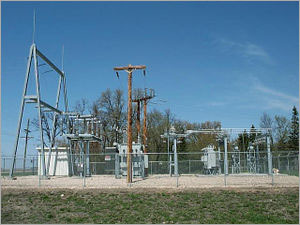
Tell us about your requirement

Price:
Quantity
Select Unit
- 50
- 100
- 200
- 250
- 500
- 1000+
Additional detail
Mobile number
Email

More Products in Electrical Substation Category
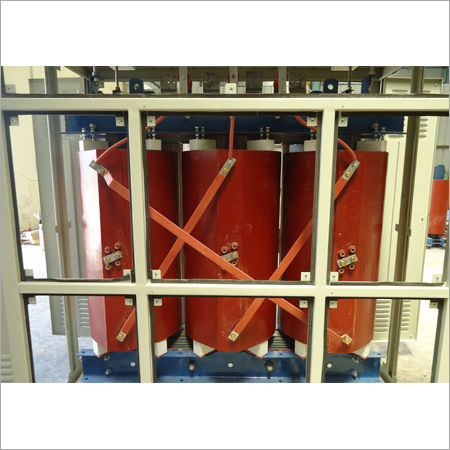
Electrical Unitised Substation
Price 1000000 INR / Unit
Minimum Order Quantity : 1 Unit
Frequency (MHz) : 50 Hertz (HZ)
Output : As per customer requirement
Phase : Three Phase
Coil Material : Other , Electrolytic Grade Copper / Aluminium
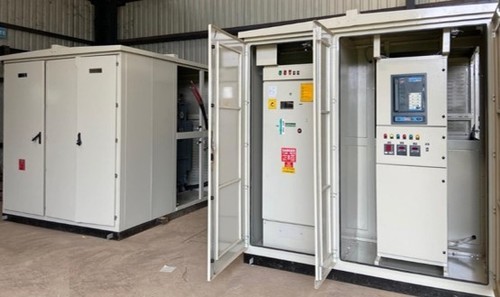
Electrical Power Substation
Price 1000000 INR / Unit
Minimum Order Quantity : 1 Unit
Frequency (MHz) : 50 Hertz (HZ)
Output : As per customer requirement
Phase : Three Phase
Coil Material : Copper Core

Contact Us

- B-17, Sri Ram Industrial Estate, G.d. Ambekar Road, Wadala (West), Mumbai - 400031, Maharashtra, India
- Phone : 08045477245
URJA TECHNIQUES (INDIA) PVT. LTD.
GST : 27AAACU0899A1ZF
GST : 27AAACU0899A1ZF

- Mr. Pratap Varavadekar (Director - Marketing)
- Mobile :08045477245
- Send Inquiry
- Urja Techniques India Pvt Ltd
R - 653, T.T.C. Industrial Area, MIDC Industrial Area, Rabale, Navi Mumbai, Maharashtra 400701
Tel - 022 27691001
 Send Inquiry
|


URJA TECHNIQUES (I) PVT. LTD.
All Rights Reserved.(Terms of Use)
Developed and Managed by Infocom Network Private Limited.
Developed and Managed by Infocom Network Private Limited.

