


 English
 Spanish
 French
 German
 Italian
 Chinese (Simplified)
 Japanese
 Korean
 Arabic
 Portuguese
Showroom
(3)
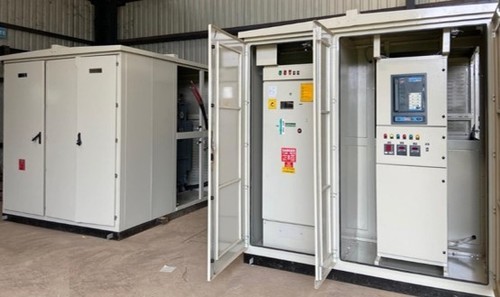
Urja Techniques (India) Pvt. Ltd. is a manufacturer and exporter of electrical substation, since 1991. Each of the listed substation is easy to install, functions safely, distributes power without any error and can withstand extreme climatic conditions.
(4)
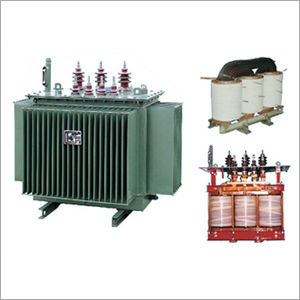
Urja Techniques (India) Pvt. Ltd. is a reliable provider of distribution transformers, such as isolation distribution transformer and industrial distribution transformers; all designed for error-free service. The function of these transformers is to automatically control voltage and decrease electrical loses.
(4)
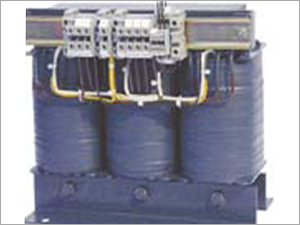
If you want to buy earthing transformer, trust Urja Techniques (India) Pvt. Ltd. Our neutral earthing transformer, voltage earthing transformer and industrial earthing transformer efficiently works to control unbalanced load currents and fault currents.
(3)
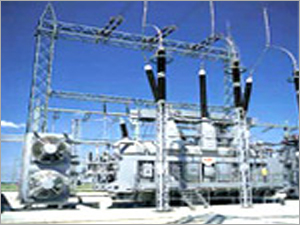
Urja Techniques (India) Pvt. Ltd. is a right source for industrial power transformer, converter duty transformer and special power transformer. These transformers are required for transmitting and distributing power. These can efficiently withstand overloading and short circuits.
(1)
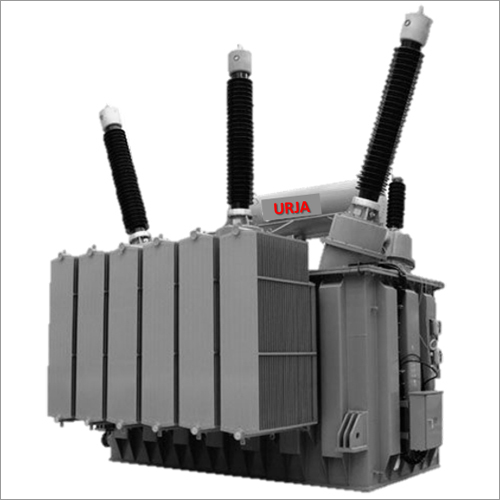
Urja Techniques (India) Pvt. Ltd. is a reliable name when it comes to buying electrical rectifier transformer and industrial rectifier transformer for voltage regulation. Industries mainly install this transformer for process that require DC supply.
(2)
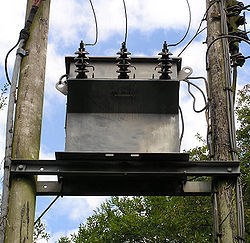
Urja Techniques (India) Pvt. Ltd. is a fabricator of pole mounted distribution transformer. As the name implies, pole mounted transformer is mounted on pole, above ground level. This transformer service both, residential and commercial loads.
(11)
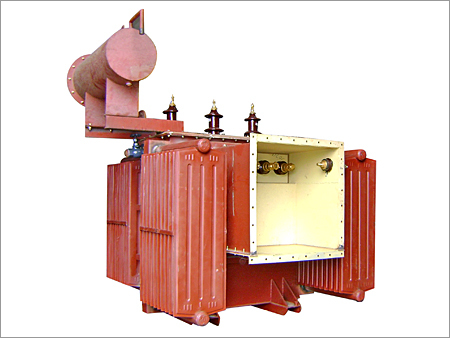
Urja Techniques (India) Pvt. Ltd. is a trusted name for buying electrical transformer. This electrical power distribution transformer service, both commercial and industrial loads. It requires negligible maintenance, once installed and operational.
(4)
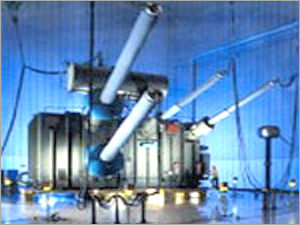
Urja Techniques (India) Pvt. Ltd. is a provider of several kinds of transformer, converter duty transformer is one of them. This transformer comes with a specific voltage capacity and range. It can serve power for extended hours.
(4)
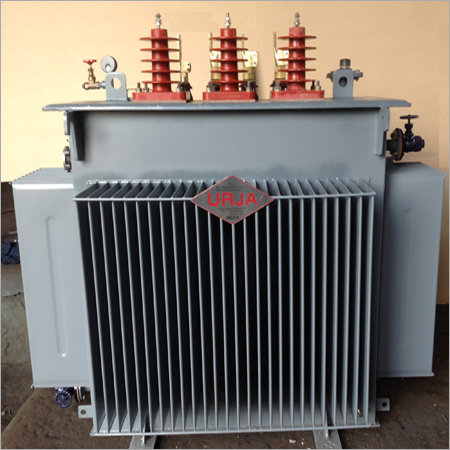
Urja Techniques (India) Pvt. Ltd. is a provider of high voltage transformer, industrial transformer, special type transformer and other AC transformers. This kind of transformer is apt for changing voltage in AC electrical circuits.
(4)
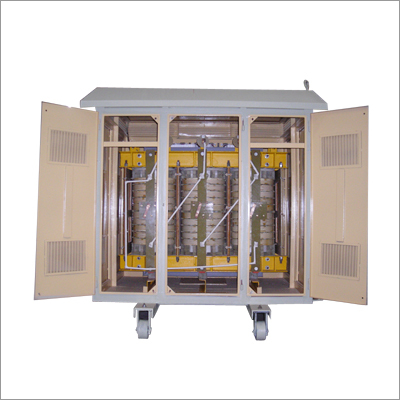
Buy from Urja Techniques (India) Pvt. Ltd. dry transformers, like dry type VPI transformer and iron core dry type transformer. This kind of transformer offers several advantages over other kinds, such as better over load capacity and low partial discharge.
(5)
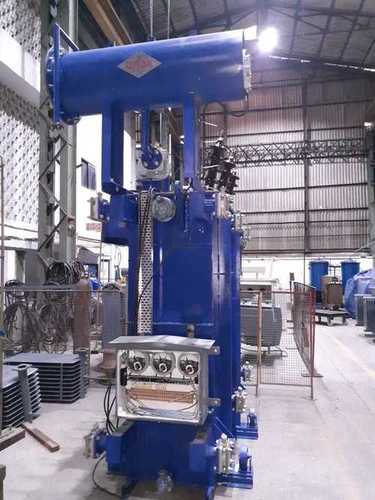
Place an order for arc furnace transformer, industrial furnace transformer or any other furnace transformer at Urja Techniques (India) Pvt. Ltd. This kind of transformer can be used in several industries, like aluminum, steel plants, gas, etc.
(5)
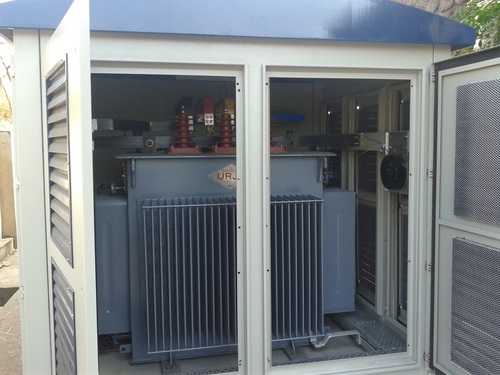
Urja Techniques (India) Pvt. Ltd. is a provider of compact indoor substation, compact transformer substation and unitised sub station 1B, which are easy to handle and transport. It is apt for supplying power to homes, offices, factories, etc.
(1)
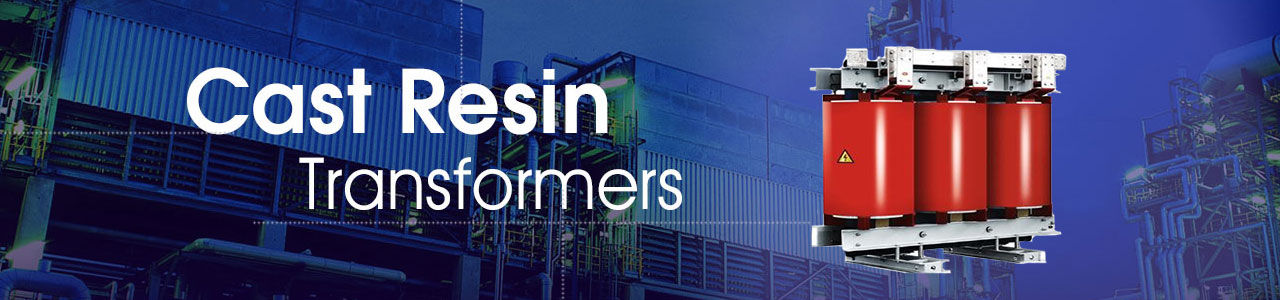
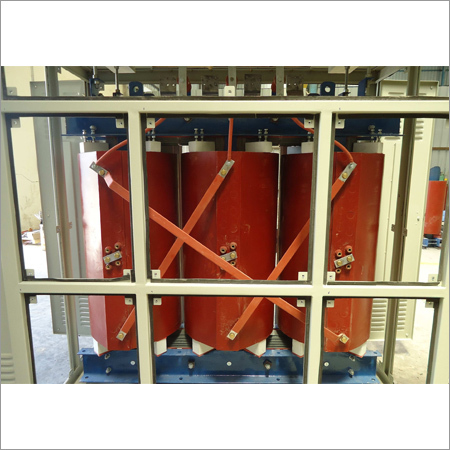
Urja Techniques (India) Pvt. Ltd. provides dry type cast resin transformer for efficiently regulating voltage or current without any problem. This kind of transformer can be used in homes, offices, shopping complexes, etc.
(1)
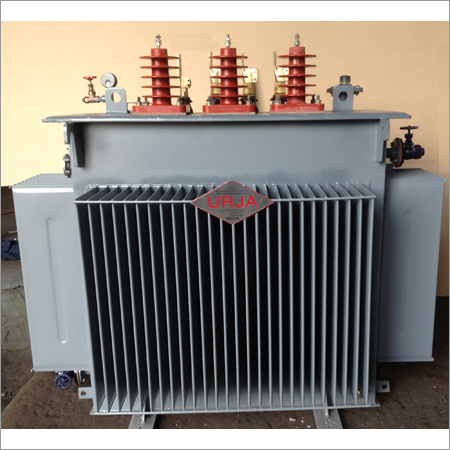
Another kind of transformer offered by Urja Techniques (India) Pvt. Ltd. is hermetically sealed transformer. It is apt for transforming electricity in offshore platforms and other related areas. It is applicable in industries, like steel, textile, engineering, chemical, pharmaceuticals, plastic, etc.
Contact Us

- B-17, Sri Ram Industrial Estate, G.d. Ambekar Road, Wadala (West), Mumbai - 400031, Maharashtra, India
- Phone : 08045477245
URJA TECHNIQUES (INDIA) PVT. LTD.
GST : 27AAACU0899A1ZF
GST : 27AAACU0899A1ZF

- Mr. Pratap Varavadekar (Director - Marketing)
- Mobile :08045477245
- Send Inquiry
- Urja Techniques India Pvt Ltd
R - 653, T.T.C. Industrial Area, MIDC Industrial Area, Rabale, Navi Mumbai, Maharashtra 400701
Tel - 022 27691001
 Send Inquiry
|


URJA TECHNIQUES (I) PVT. LTD.
All Rights Reserved.(Terms of Use)
Developed and Managed by Infocom Network Private Limited.
Developed and Managed by Infocom Network Private Limited.



